



Psychologist, Psychiatrist and Counsellor Salaries in the UK
17th August 2020A psychology conversion course is a one-year postgraduate qualification that condenses a three-year psychology degree into an intensive programme for graduates of other subjects. It provides the academic foundation for entering the profession in the UK, though significant further training is needed before you can practise independently. Some of the psychologists working in our clinic took exactly this route.
A psychology conversion course gives graduates from non-psychology backgrounds the academic grounding they need to begin training in psychology. Most are taught as a Master’s degree (MSc) or postgraduate diploma. Courses accredited by the British Psychological Society (BPS) confer eligibility for Graduate Basis for Chartered Membership (GBC), provided you achieve the required pass standard (typically a 2:2 or above). That accreditation is the standard gateway to further professional training if you want to work toward a protected practitioner title such as clinical psychologist, counselling psychologist, or educational psychologist.
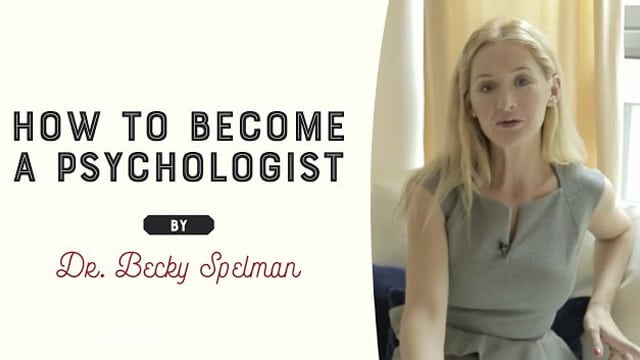
We write about this from a slightly different perspective to most guides you will find online. The Private Therapy Clinic employs psychologists and psychiatrists across our London clinics and online services. Several of our team came into psychology as a second career, completing conversion courses before going on to doctoral training. In the video above, two of our assistant psychologists discuss what the experience was really like, including the transition from an English degree, the statistics learning curve, and what BPS accreditation means in practice.
Who Is a Psychology Conversion Course For?
Psychology conversion courses are designed for graduates who completed their first degree in something other than psychology but now want to move into the field. That is a broad category, and the people who end up on these courses are remarkably varied.
Career Changers and Mature Students
Some applicants are recent graduates who discovered an interest in psychology through elective modules or work experience. Others are further into their careers and arrive at psychology through a very different door. Teachers who want to understand why certain children struggle. Nurses who have seen how much mental health shapes physical recovery. HR professionals who realised they were more interested in the people than the policies.
Career changers often bring a depth of life experience that shapes how they connect with clients. One of our assistant psychologists, Eve, completed her conversion course at Nottingham after graduating in English from Oxford. In the video, she describes how personal experience with therapy for an eating disorder and volunteering with the Samaritans were what drew her to the profession. Research on conversion course students has found that adaptability, rather than prior subject knowledge, is the strongest predictor of academic success on these programmes (Sheriston, Holliman & Payne, 2019).
People Motivated by Personal Experience
This comes up regularly in our own recruitment. A number of people who pursue psychology conversion courses do so because they have personal or family experience with mental health conditions. They may have gone through ADHD assessments themselves, supported a child through an autism assessment, or experienced anxiety or depression first-hand. That personal understanding can become a genuine clinical strength, provided it is paired with the right academic and professional training.
What Do You Study on a Psychology Conversion Course?
Conversion courses cover the same core areas as a three-year undergraduate psychology degree, compressed into twelve months of intensive study. The BPS requires accredited courses to cover seven core domains.
The Core Curriculum
- Cognitive psychology: how we perceive, remember, and think
- Developmental psychology: how people change across the lifespan
- Social psychology: how we are influenced by and relate to others
- Biological psychology: the neurological and physiological basis of behaviour
- Individual differences: personality, intelligence, and psychopathology
- Research methods and statistics: both quantitative and qualitative approaches
- Conceptual and historical issues: the philosophical foundations of psychology as a science
Most courses also include a substantial research project or dissertation. This is an important component, because it demonstrates your ability to design, conduct, and write up original research. A strong dissertation can strengthen applications for assistant psychologist roles or doctoral training, and if the opportunity arises to publish, that is a bonus, though it is by no means expected at this stage.
What About the Statistics?
This is probably the most common concern for career changers, especially those coming from arts or humanities backgrounds. Eve addresses it directly in the video. The honest answer is that the statistics component is challenging if you haven’t done maths since GCSEs. But it is manageable. The quantitative methods taught on conversion courses, things like analysis of variance and regression, are not abstract mathematics. They are practical tools for answering research questions, and most people find them more intuitive once they see them applied to real psychological data.
Does BPS Accreditation Matter?
Yes. For most regulated psychology career paths in the UK, BPS accreditation is essential. A conversion course that is not accredited by the BPS will not confer eligibility for Graduate Basis for Chartered Membership (GBC), and without GBC, you cannot progress to the accredited doctoral training programmes required for protected practitioner psychologist titles.
What Is GBC?
Graduate Basis for Chartered Membership is the BPS’s confirmation that your academic training covers psychology in sufficient breadth and depth. It is required for entry to almost all BPS-accredited postgraduate and doctoral programmes, including the Doctorate in Clinical Psychology (DClinPsy) and the Doctorate in Counselling Psychology (DCouns). To obtain GBC, you need to complete a BPS-accredited course and achieve at least a 2:2 classification. You also need to pass the research project component.
MSc vs Postgraduate Diploma
Most conversion courses are taught as an MSc, but some universities offer a postgraduate diploma (PGDip) instead. Both can be BPS-accredited and both can confer GBC eligibility. The practical difference is that an MSc is a full Master’s degree and is typically eligible for the postgraduate student loan in England. PGDip courses may not be. Fees for MSc conversion courses generally range from £8,000 to £15,000, depending on the institution and whether you study on campus or online.
What Comes After a Conversion Course?
This is where the perspective from a clinic that employs psychologists is useful, because conversion course marketing can sometimes create the impression that you are closer to professional practice than you really are. A conversion course is the academic foundation. It is not the finish line, and on its own it does not qualify you to practise as a psychologist.
The Career Pathway
|
Stage |
Typical Duration |
What It Involves |
Outcome |
|
Conversion course |
1 year full-time |
Core psychology curriculum, research project |
BPS Graduate Basis for Chartered Membership (GBC) |
|
Assistant psychologist role |
1–3 years |
Clinical experience under supervision (NHS Band 4–5 or private sector) |
Relevant experience for doctoral applications |
|
Doctoral training |
3 years (funded by NHS England for DClinPsy) |
Advanced clinical training, research, supervised practice |
Eligibility for HCPC registration as a practitioner psychologist |
The table above shows the standard route for reaching a protected practitioner title. It is worth understanding what each stage actually involves.
Assistant Psychologist Roles
After completing a conversion course, most graduates spend time working as an assistant psychologist. In the NHS, these roles are typically banded at Band 4 or Band 5 under the Agenda for Change pay framework, depending on the level of autonomy and supervision involved. Band 4 roles are more closely supervised, while Band 5 positions allow for greater independence. Many assistant psychologist posts are in NHS mental health trusts, but they also exist in private clinics, charities, and research settings.
At The Private Therapy Clinic, our assistant psychologists work across a range of areas including ADHD and autism assessments, therapy support, and research. For many, the exposure to clinical work at this stage is what confirms which speciality they want to pursue.
Doctoral Training and HCPC Registration
To use a protected title such as “clinical psychologist” or “counselling psychologist” in the UK, you must complete a doctorate approved by the Health and Care Professions Council (HCPC) and register with them. This is the legal requirement under the Health Professions Order 2001. The title “psychologist” on its own is not currently protected, but the seven specialist practitioner titles (clinical, counselling, educational, forensic, health, occupational, and sport and exercise psychologist) are.
How NHS Funding Works for Doctoral Training
One of the most important things to understand about the DClinPsy is that it is funded by NHS England. Trainees are employed by the NHS at Band 6 (currently £39,959 at entry from April 2026) while they complete their three-year doctorate. This is not a student loan or a bursary. It is a salaried position with full NHS employment benefits including pension contributions and annual leave. The university fees are also covered by the NHS. This makes clinical psychology unusual among doctoral programmes, because you are paid to train rather than paying to study.
Counselling psychology doctorates (DCouns) are not NHS-funded in the same way and are typically self-funded, which is worth factoring into your planning.
Competition for DClinPsy places is fierce. The programme typically receives around fifteen applications per place according to the Clearing House for Postgraduate Courses in Clinical Psychology. This is why the years between your conversion course and doctoral training matter so much. The clinical experience, research, and supervisory relationships you build during that period are what set your application apart. For a more detailed look at these two most common routes, see our guide to the differences between clinical and counselling psychologists.
Where Do Qualified Psychologists Work?
Most newly qualified clinical psychologists in the UK begin their careers in the NHS, entering at Band 7 (currently £49,387 at entry from April 2026) and progressing to Band 8a and beyond with experience and specialisation. NHS roles exist across mental health trusts, physical health settings, community teams, and specialist services. But the NHS is not the only option. A growing number of qualified psychologists work in private practice, either alongside NHS roles or independently. At The Private Therapy Clinic, our team includes psychologists who work across both sectors, and many of our psychiatrists hold NHS consultant posts alongside their private work.
How to Choose the Right Psychology Conversion Course
Not all conversion courses are equal, even though they may look similar on paper. From our experience of reviewing the qualifications of applicants, there are several things that genuinely make a difference.
Non-Negotiables
- BPS accreditation. Without it, the course will not confer GBC eligibility and your options for regulated career paths will be severely limited. You can check whether a course is accredited using the BPS course search tool.
- A research project component. This is essential for developing the skills you will need for doctoral applications and clinical practice.
Worth Considering
- Placement opportunities. Some courses include clinical or research placements. These give you a head start in building the experience needed for assistant psychologist roles, whether in the NHS or in private settings.
- Online vs campus. Online conversion courses have become much more common since 2020. They can work well for people who need flexibility around existing work or family commitments. The academic content is the same, but you will miss the informal peer learning and networking that comes from being on campus.
- The research profile of the department. A department with active research is more likely to offer supervision from academics doing interesting work, which matters when it comes to your dissertation.
What We See from the Other Side
Most content about psychology conversion courses is written by universities trying to recruit students. That is understandable, but it means the information you find online tends to emphasise opportunity and possibility rather than the practical reality of what comes after.
As a clinic that employs psychologists at various stages of their career, from assistant psychologists building their clinical hours to fully qualified counselling psychologists and psychiatrists, we see the full picture.
The conversion course itself is the smallest part of the training pathway. It matters, but it is the years that follow, the assistant roles, the research, the supervised clinical work, that shape whether someone becomes a strong practitioner. The people who tend to do well are those who are genuinely curious about human behaviour, not just attracted to the idea of being a psychologist.
Career changers can bring qualities that are difficult to acquire through academic training alone. Empathy that comes from having lived through something difficult. Communication skills refined in a previous profession. A work ethic built by holding down a job while studying. The people who come to psychology because they experienced therapy themselves, or because they supported someone through a mental health crisis, frequently bring a quality of understanding to clinical work that complements their formal training well.
Frequently Asked Questions
Can I become a clinical psychologist after a conversion course?
Yes, but not directly. A BPS-accredited conversion course gives you Graduate Basis for Chartered Membership, which is the entry requirement for doctoral training programmes such as the DClinPsy. Between the conversion course and the doctorate, you will typically need one to three years of relevant clinical experience, usually in an assistant psychologist role. The full pathway from conversion course to HCPC-registered clinical psychologist takes around five to seven years.
Is a PGDip enough for GBC?
It can be, provided the PGDip is BPS-accredited and you achieve the required pass standard. Not all PGDip courses carry BPS accreditation, so check before you apply. The main practical difference between a PGDip and an MSc is that PGDip courses may not be eligible for the postgraduate student loan in England.
Do I need a 2:1 in my first degree to apply?
Most Russell Group and competitive universities require a 2:1 or above in your original undergraduate degree. Some institutions accept a 2:2, and a few offer entry routes for applicants without a traditional undergraduate degree, such as through a PGDip pathway. Entry requirements vary, so check the specific course you are interested in.
Can I study a psychology conversion course online?
Yes. Several UK universities now offer BPS-accredited conversion courses online, including the University of Glasgow, the University of Nottingham, and the Open University. Online courses cover the same curriculum and confer the same GBC eligibility as campus-based programmes.
Is the DClinPsy funded?
Yes. The Doctorate in Clinical Psychology is funded by NHS England. Trainees are employed at NHS Band 6 and receive a full salary while training. University tuition fees are also covered. This is not the case for all psychology doctorates. Counselling psychology doctorates, for example, are typically self-funded.
How The Private Therapy Clinic Can Help
If your interest in psychology grew from personal experience with mental health, whether your own or someone close to you, we are here for that too. The Private Therapy Clinic offers ADHD assessments, autism assessments, and therapy across a wide range of areas, both in person at our London clinics and online. If you are not sure where to start, you can book a free 15-minute consultation to talk through your options with one of our team.